Workshop Series for Leadership
The IAC’s Sustainability Workshop for Leadership
This virtual series is designed for CEOs and executive leaders of IAC member organizations to reimagine how they support Direct Support Professionals (DSPs)—the backbone of care in disability services, healthcare, and long-term support.
Despite their essential role, DSPs face low wages, high turnover, and limited career pathways. These sessions will help leaders understand the real-world impact of these challenges and explore how investing in DSPs strengthens service quality, financial performance, and workforce stability.
What You’ll Gain:
A deeper understanding of the direct care workforce landscape and its challenges
Insight into how turnover and burnout affect your organization
Leadership tools to build a culture of respect, equity, and opportunity
Proven strategies to retain staff and reduce vacancies
Sustainable, actionable plans for long-term workforce stability
Based on research by Dr. Jennifer Cohen, we know DSPs love the work but often can’t afford to stay. While we continue pushing for better pay, there’s much more we can do—right now—to support those who support people with I/DD and their families.
What Prior Participants Are Saying*:
It’s completely different than anything that's been offered before - and addresses the current "state" of working in this field, post-pandemic.
It’s been incredibly eye-opening and enriching to engage directly with those who live and breathe this work every day. Hearing from fellow leaders and learning from their experiences with the DSP workforce has been equally valuable. Their insights into what’s working—and where the pain points are—have given me a much deeper understanding of how we can support and strengthen this vital part of our workforce.
I really appreciated being able to take the time to have discussions with other agency leaders on subjects that impact us all. There is so much benefit to hearing others' perspectives and solutions.
Over the past few weeks, I’ve learned a great deal about the day-to-day expectations of DSPs, the essential competencies they bring to the role, and both the joys and challenges that come with it.
The sessions were all thought-provoking and addressed perspectives not openly discussed in other forums, including within the agency I work for.
I think it's important to hear the challenges that other agencies are experiencing and then how they address them. It's good to know we are not alone in this and the ideas from the participants were all very useful.
[T]he moments in which people started to reflect on how things have changed in system and not necessarily saying "the staff is different" there was a connection to understanding that it may not be the staff that has changed but the demands and pressures.
Comments about workshop activities*:
The very first exercise of budgeting on a DSP budget is an exercise that I will never forget.
Creating the whiteboards was very helpful. It was great to see so many actionable steps you can take to address some of the challenges that all agencies are facing. It also shows how there is no one size fits all approach. You need to do many things to assist with retention and building a culture of respect. One conversation that stood out was about not assuming your DSPs know how to do laundry. It's an excellent point that you could be putting employees in uncomfortable situations just by assuming.
Actionable and meaningful strategies for making a material difference in supporting DSPs so they can be at their best and feel fulfillment both in their personal lives and in their work.
Strategies to address employee wellbeing for myself and my colleagues and strategies to increase employee morale and change the culture of the organization.
* Comments from anonymous post-workshop series surveys.
Session descriptions
-
with Jen Cohen & Anne Parmeter
Recognize how one’s own lived experiences influence their perspectives, assumptions, and expectations—and how those perspectives, assumptions, and expectations powerfully shape policies and workers’ experiences
-
with Jen Cohen & Robert Budd
Respect is a leadership practice with direct impacts on morale, burnout, and employee retention. It is a strategic, organizational, and ethical foundation for workforce stability
-
with Jen Cohen & Anne Parmeter
While the structural landscape of DSP work has shifted dramatically, the lived experiences of today’s workforce have changed even more. Participants learn practical strategies for validating workforce realities, reducing defensiveness, communicating with humility and clarity, and connecting across changes in ways that strengthen trust, alignment, and belonging
Organizational support is experienced as the ways in which an organization demonstrates that it values workers’ contributions and cares about their well-being (Eisenberger et al., 1986; Eisenberger et al., 2002). Value can be expressed through appreciation but perhaps the most critical expression of value is respect. Recognizing DSPs as whole people, as human beings with valued, complex lives that include - but are in no way limited to - their role as a DSP.
Interpersonal support from management includes behaviors like showing personal concern, giving attention to subordinates, and regularly offering assistance. Staff and direct care workers describe supportive working conditions as a choice of schedule, good communication, and leaders who are willing to step in (Karmacharya et al., 2023). Empathetic, diverse leaders who can relate to the lived experiences of employees are more likely to provide interpersonal support and may take those experiences into consideration in developing organizational policies.
-
with Robert Budd
The series includes the Myers-Briggs Type Indicator (MBTI) assessment and an in-depth discussion on how self-awareness plays a key role in effective leadership
-
with Robert Budd & Marco Damiani
Building on previous sessions, which examined lived experience, respect, and connection across change, this session turns to the structural and cultural levers that allow organizations to stabilize the workforce over time. Leaders explore the role of mission, vision, values, and culture (MVVC) as practical tools – not abstract statements – for strengthening belonging, alignment, and trust, and for ensuring that DSPs see themselves reflected in the organization’s identity
-
with Jen Cohen, Tibi Guzman & Robert Budd
Empathy is a crucial competency for transformation, workforce stability, and cultural well-being
Meet the Team
-

Dr. Jennifer Cohen
Dr. Jennifer Cohen is an economist with the Program for Disability Research at Rutgers University. Her research focuses on the labor force, with her most recent work analyzing survey data from over 4,500 Direct Support Professionals in New York.
-

Anne Parmeter
Anne Parmeter is an instructional designer, adult educator, facilitator, and online course developer based in Portland, Oregon.
-
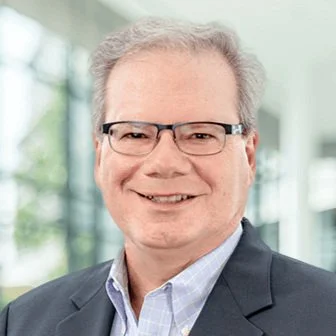
Robert Budd
Robert S. Budd is the Sr. Chief Executive Officer/President of Family Residences and Essential Enterprises, Inc. (FREE), a not-for-profit agency that supports individuals of all abilities with community living opportunities, employment, day services, clinical, crisis, education, after-school and other supports.
-

Marco Damiani
Marco Damiani has served as the Chief Executive Officer of AHRC New York City since 2017, working with its 4,000 mission-driven staff members to build upon the extraordinary almost 75-year legacy of AHRC NYC’s commitment to social justice for children and adults with disabilities.
-

Tibi Guzman
Tibisay A. Guzmán is the CEO of The Arc Westchester, the largest organization in Westchester County, New York, dedicated to supporting individuals with developmental disabilities (DD) and their families.
-

Michael Buchino
Michael Buchino is a graphic recorder, creative director, designer, illustrator, animator, educator, letterer, et ceterer.
FAQs
-
DSPs describe upper level management as managers who work primarily offsite from the locations where DSPs support individuals with I/DD. It includes management and administration up to the level of the CEO. Upper management excludes frontline supervisors and program coordinators or house managers.
-
Great question! The people who DSPs identify as “the uppers” likely include some members of middle management. However, upper-level management constructs the ethos of an agency - it provides the foundations for organizational support - while middle management conveys that ethos. These workshops are designed to change minds by introducing new ways of thinking about the workforce and the individuals in it. Upper-level management has the influence to change thinking and practice all the way through an agency by modeling supportive behavior.
-
Support is not defined in the survey. Extensive responses to open-ended survey questions from DSPs and FLSs offer insight into what constitutes supportive practices and policies and how feeling unsupported drives workers out of the human services sector. Support can be organizational and/or interpersonal.
Organizational support is experienced as the ways in which an organization demonstrates that it values workers’ contributions and cares about their well-being (Eisenberger et al., 1986; Eisenberger et al., 2002). Value can be expressed through appreciation but perhaps the most critical expression of value is respect. Recognizing DSPs as whole people, as human beings with valued, complex lives that include - but are in no way limited to - their role as a DSP.
Interpersonal support from management includes behaviors like showing personal concern, giving attention to subordinates, and regularly offering assistance. Staff and direct care workers describe supportive working conditions as a choice of schedule, good communication, and leaders who are willing to step in (Karmacharya et al., 2023). Empathetic, diverse leaders who can relate to the lived experiences of employees are more likely to provide interpersonal support and may take those experiences into consideration in developing organizational policies.
-
A sustainable entity - a household, agency, or sector - has the resources and capacity to maintain its existence. In a sustainable household, household members do not experience food or housing insecurity. A sustainable agency relies on DSPs who have sustainable households. These agencies have adequate staffing to meet the needs of those it serves and adequate revenue to pay those who deliver care, maintain operations and infrastructure, and satisfy reporting/administrative obligations. A sustainable sector depends on having sustainable agencies. As a whole, the I/DD sector requires a stable, skilled workforce and state infrastructure that supports the workforce and agency operations; one that processes claims quickly and implements regulations that are clear and purposeful.
-
The workshops take inspiration from the Moving Mountains awards that reward non-instrumental efforts to make working conditions better for DSPs. DSPs have intrinsic value as human beings. Employers should focus on the well-being of DSPs not merely because it is fundamental to their business model and is in their interest but because all people deserve to be recognized as human beings with complex, valuable lives outside of paid work.
To do otherwise is dehumanizing. A DSP captures this sentiment clearly, saying that DSPs want to feel “…as if we were somebody and not just a body…” (Johnson et al., 2021). Many people in this sector have fought against the dehumanization of people with I/DD; the dehumanization of the workers, mostly women of color, who support people with I/DD cannot be the cost of community integration.
-
Probably—but not on their own! Internalizing the information shared in the workshops is likely to change behavior and practices. Over(?) 85% of the DSPs who responded to the survey were “very satisfied” or “satisfied” with the work they do, but even those who love the work may leave an employer if working conditions are poor. Working conditions include pay, support, and other factors. If the pay is low enough that DSPs and their families experience food or housing insecurity, it would be difficult to begrudge a DSP for moving on—in fact, it is very likely that DSPs who are satisfied with the work but can’t get by feel like they are being pushed out of a job they largely enjoy. Employers have complete control over the support they offer and some of the most valuable—respect and better, more thoughtful communication—are free.
Some research with direct care workers suggests that turnover and retention have different drivers (Vittal, Rosen, & Leana 2009):
Factors associated with turnover:
lack of respect
inadequate management
work or family conflicts
difficulty of the work
job openings.
Factors associated with retention:
being “called” to service (internal satisfaction), patient advocacy (provide effective support)
personal relationships with residents
religion or spirituality
haven from home problems
flexibility (autonomy)
Because so many DSPs are satisfied with the work—85%!—we know that employers have the workforce they want—so reducing turnover and improving retention are both key. Factors contributing to turnover that we will address include respect and support from management. We will also discuss factors contributing to retention: enhancing internal satisfaction and efficacy, fostering relationships, work as a haven from ‘home problems,’ and flexibility.